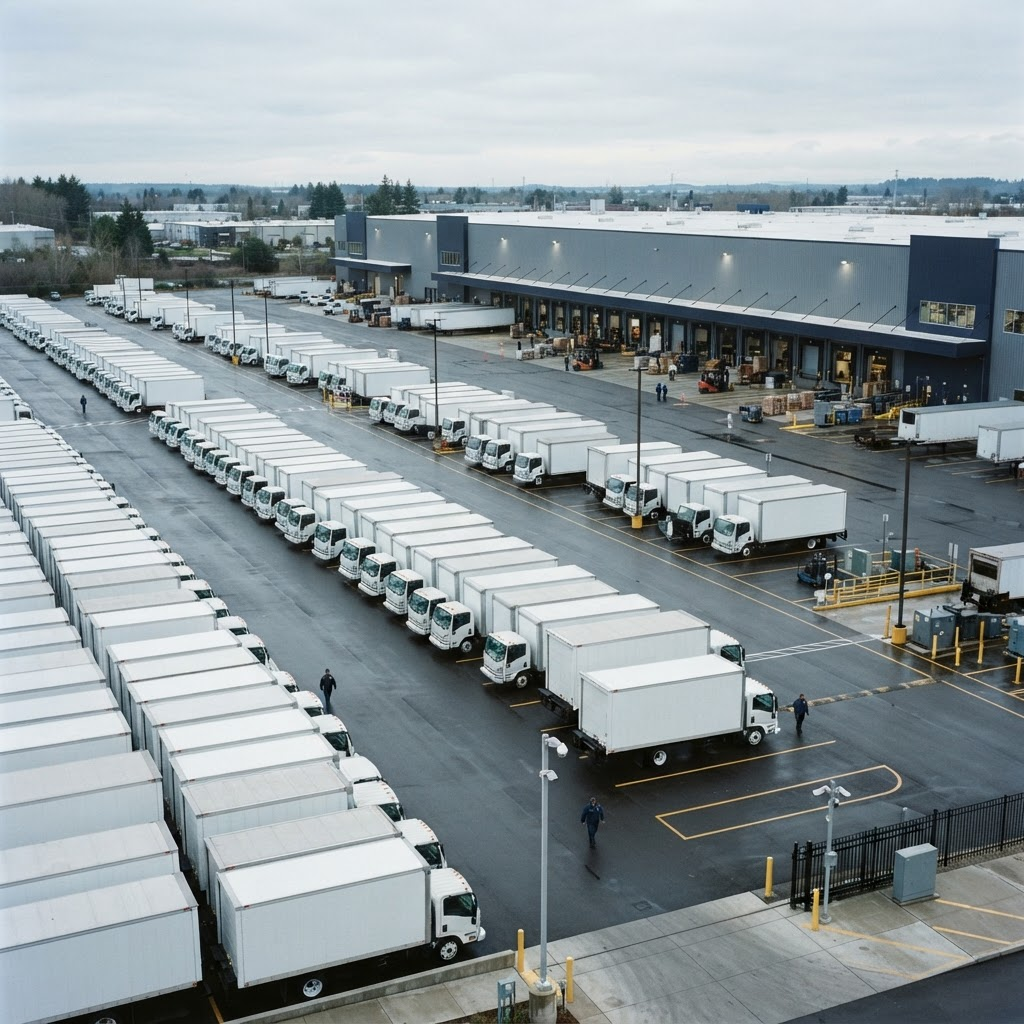
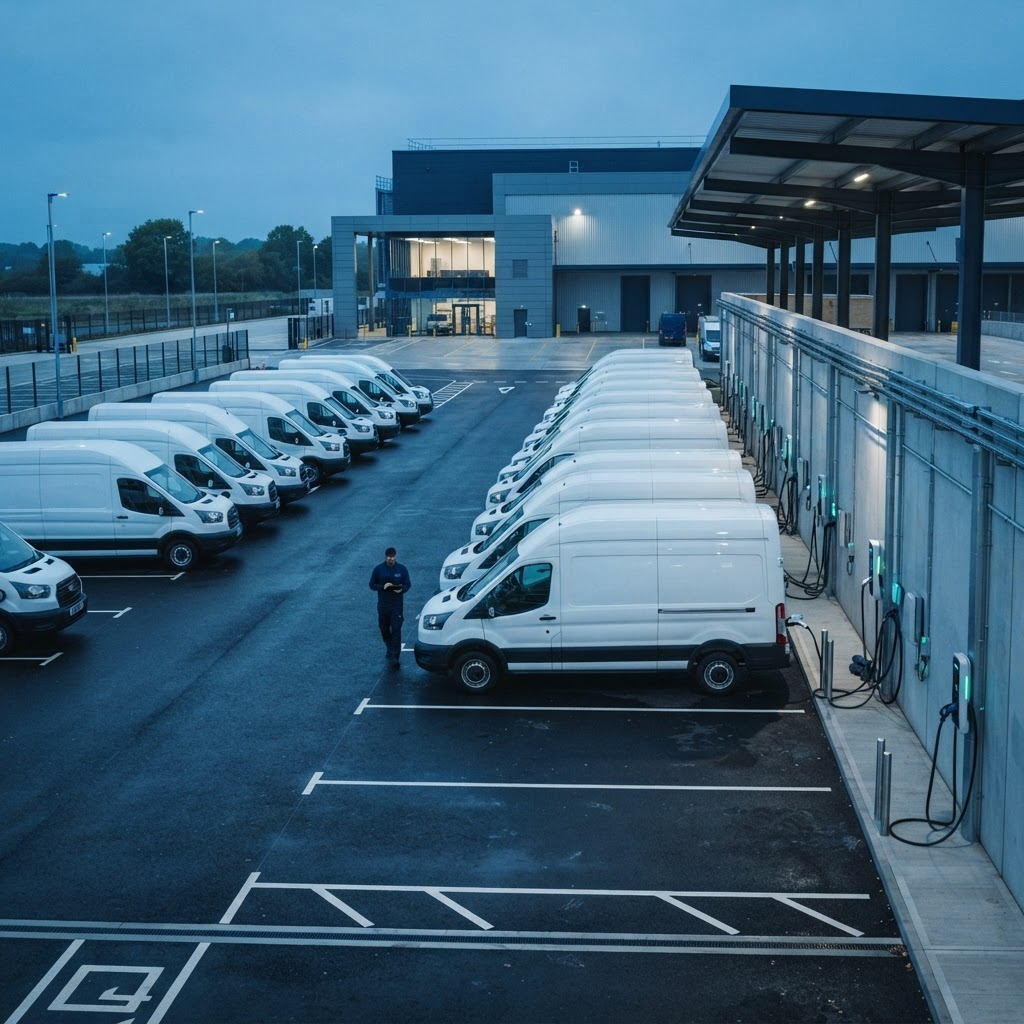
Commercial electric vehicles are no longer a pilot-program curiosity. Platforms like the Rivian EDV, Ford E-Transit and Mercedes-Benz eSprinter are entering last-mile and commercial fleets in meaningful volume, changing the composition of the vehicles that need service — and prompting fair questions about how reconditioning applies to them.
What stays the same
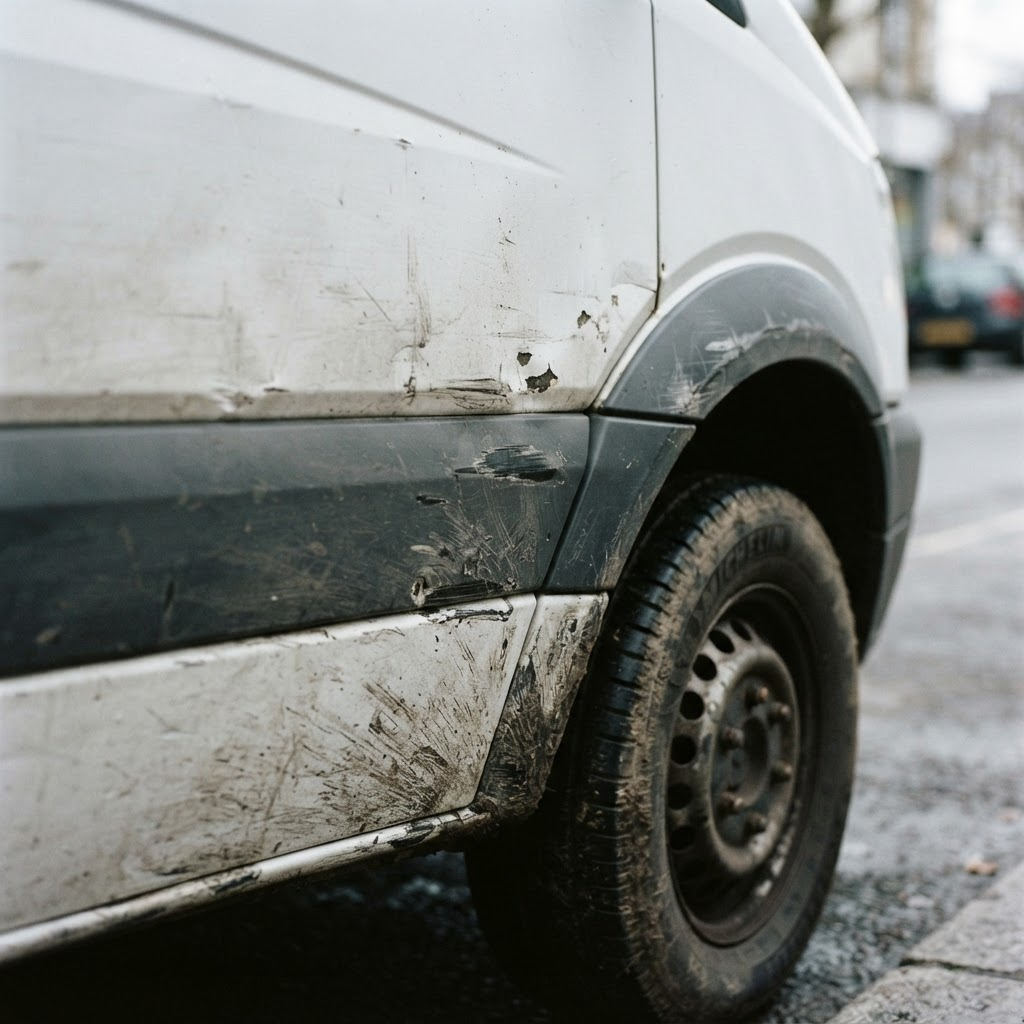
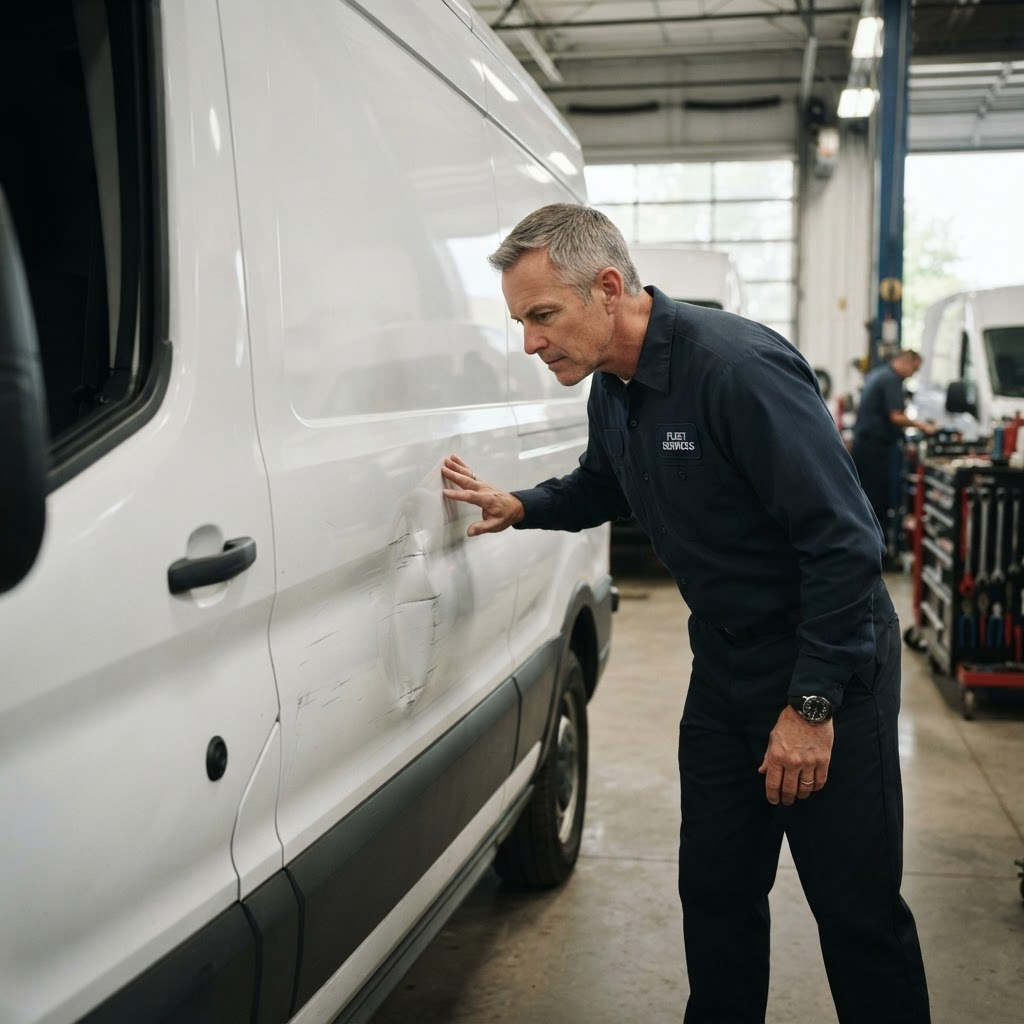
The reassuring answer for most cosmetic reconditioning is: more than you might expect. A delivery van’s body panels accumulate dents, scuffs and wear whether the drivetrain is electric or internal-combustion. Paintless dent repair, cosmetic paint work, wear-and-tear reconditioning and presentation restoration all apply to EVs much as they do to conventional vans.
What’s different
The meaningful differences are about safety awareness and materials rather than the cosmetic work itself:
- High-voltage systems require technicians to be aware of battery and electrical component locations and to follow appropriate safety practices.
- EV platforms sometimes use different panel materials and construction, which can affect repair technique.
- Because commercial EVs are relatively new and carry a higher acquisition cost, protecting their condition and value is especially relevant.
- Manufacturer guidance for these newer platforms continues to evolve, so staying current matters.
Why reconditioning matters more for EV assets
Commercial EVs represent a significant capital investment, and they’re often newer additions to a fleet. Keeping them presentable and protecting their residual value is therefore a high priority. As these vehicles age into their first redeployment and remarketing cycles, reconditioning will play an important role in preserving what they’re worth.
FRS management views the shift to commercial EVs as one of the structural forces reshaping fleet composition and repair requirements — and a reason the fleet-specific reconditioning category is growing. The fundamentals of the FRS model, including fast turnaround and on-site service, apply to electric fleets as directly as to conventional ones.
The drivetrain is changing faster than the bodywork — and the bodywork is still where reconditioning lives.
Frequently asked questions
- Can electric delivery vans be reconditioned like regular vans?
- For cosmetic work — dents, scuffs, wear and presentation — the process is largely the same, because it addresses the body rather than the drivetrain. The main differences involve high-voltage safety awareness and, in some cases, panel materials.
- Which commercial EVs are common in delivery fleets?
- Platforms frequently seen in commercial and last-mile fleets include the Rivian EDV, Ford E-Transit and Mercedes-Benz eSprinter, among others as the segment expands.
How FRS can help
Fleet Reconditioning Services
The FRS Editorial Team publishes educational guidance on commercial fleet reconditioning, fleet uptime and vehicle lifecycle management, drawing on more than three decades of reconditioning and technician-training experience across the Fleet Reconditioning Services and Ding King organizations.