Wear and tear is the most predictable cost in any fleet — and one of the most overlooked. It’s the accumulation of everyday damage that comes from simply using a vehicle: scuffs on the bumpers, scrapes down the sides, curb rash on the wheels, dings from loading and unloading. None of it happens in a single event, which is exactly why it’s so easy to ignore until it’s expensive.
What counts as wear and tear
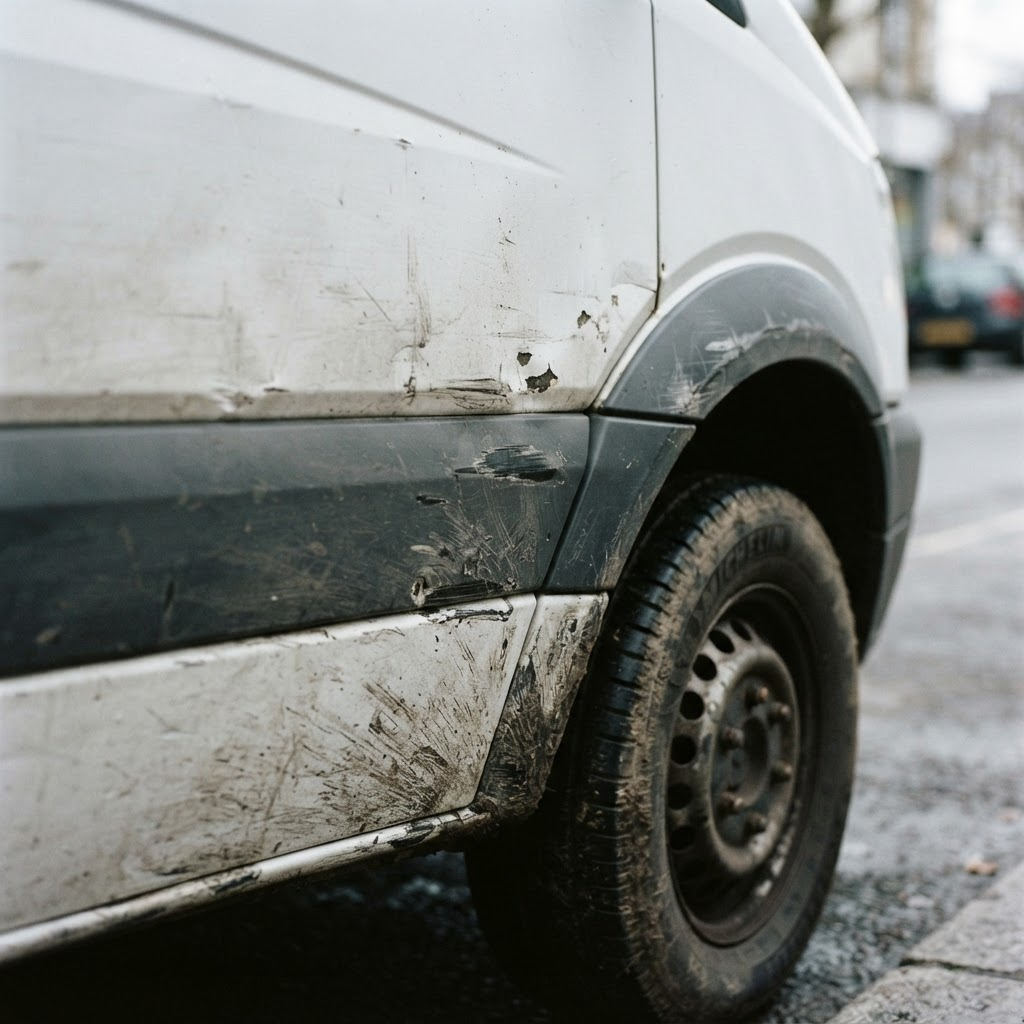
Wear and tear is distinct from accident damage. It’s the normal, cumulative deterioration of a working vehicle. On a commercial delivery fleet, it typically shows up as:
- Scuffs, scrapes and scratches along the body and lower panels.
- Minor dents and dings from doors, carts and loading equipment.
- Curb rash and wheel damage.
- Faded or damaged branding and graphics.
- General surface deterioration from constant use and weather.
Why wear and tear is expensive
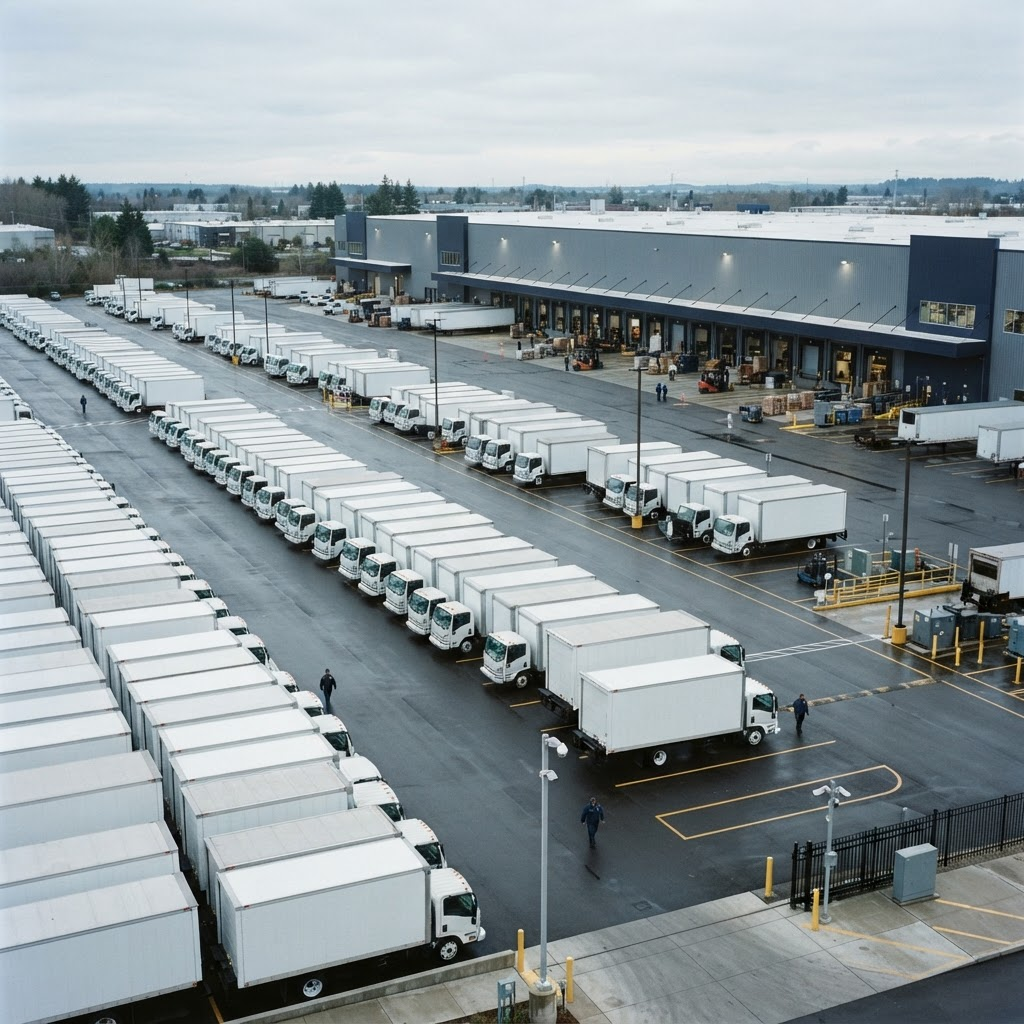
Wear and tear hits fleet economics in two places. First, it lowers resale and remarketing value — a scuffed, dinged vehicle sells for less. Second, for leased vehicles, it drives end-of-term and lease-maturity charges, which can be unpredictable and add up quickly across a fleet.
Proactive vs. reactive management
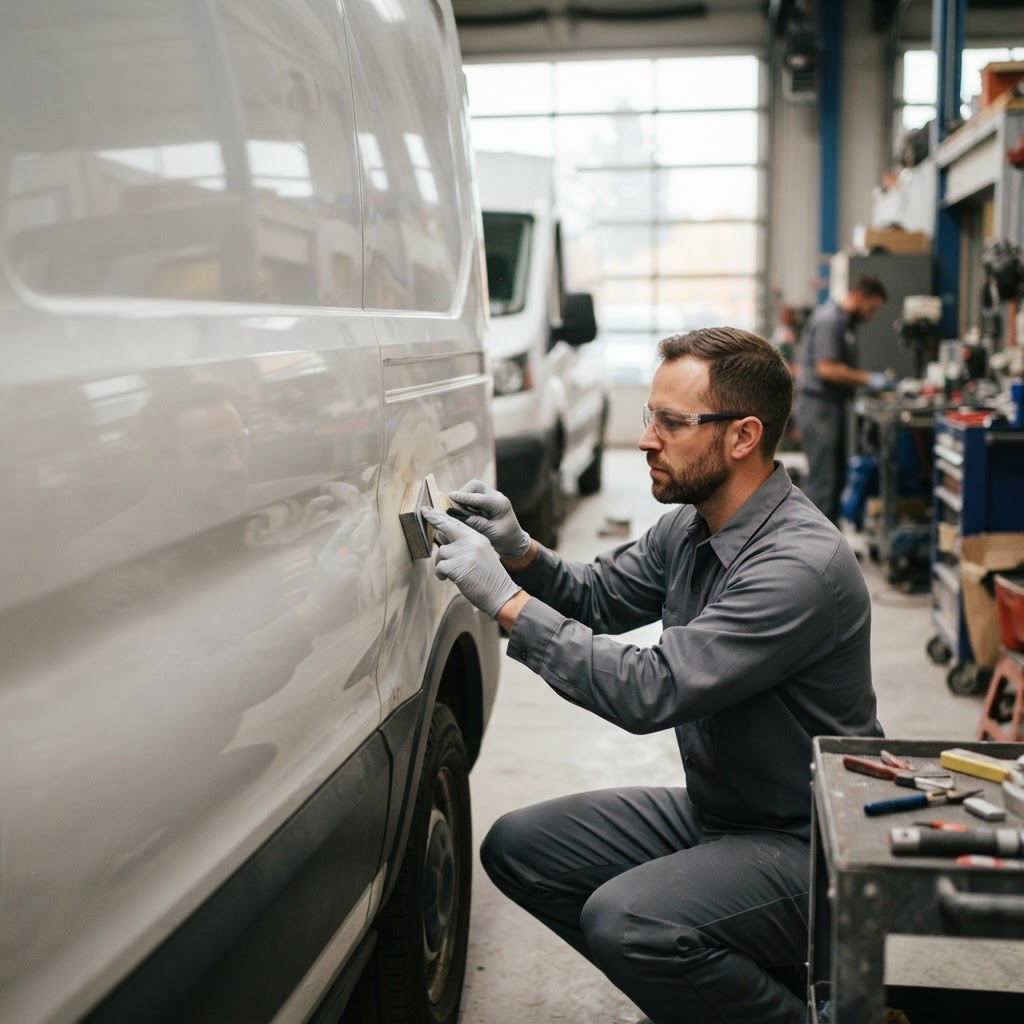
Because wear and tear accumulates continuously, the operators who manage it best treat it as an ongoing program rather than a one-time cleanup at the end of a lease. Periodic reconditioning keeps vehicles presentable throughout their life, protects resale value along the way, and avoids a large, lumpy bill at turn-in.
Wear and tear is the one cost you can see coming from the day a vehicle enters service — which makes it the one you can plan for.
How FRS addresses it
Fleet Reconditioning Services treats wear and tear as a core discipline, addressing qualifying items to reduce chargeable conditions before turn-in and to protect residual value throughout a vehicle’s life. Because much of this work qualifies for on-site service, it can be handled without pulling vehicles out of rotation.
Frequently asked questions
- What is considered normal wear and tear on a fleet vehicle?
- Normal wear and tear is the everyday, cumulative deterioration of a working vehicle — scuffs, minor dents, curb rash and surface damage — as opposed to accident or structural damage. Lease agreements typically define acceptable thresholds.
- Can wear and tear reduce end-of-lease charges?
- Addressing qualifying wear-and-tear items before turn-in can reduce chargeable conditions and make end-of-term costs more predictable, which is why many operators recondition proactively rather than paying penalties at maturity.
How FRS can help
Fleet Reconditioning Services
The FRS Editorial Team publishes educational guidance on commercial fleet reconditioning, fleet uptime and vehicle lifecycle management, drawing on more than three decades of reconditioning and technician-training experience across the Fleet Reconditioning Services and Ding King organizations.