Collision repair and fleet reconditioning both restore vehicles, but they are designed for different problems. Confusing the two is one of the most common — and most expensive — mistakes in fleet maintenance, because it routes cheap, fast work through a slow, costly channel.
What collision repair is built for
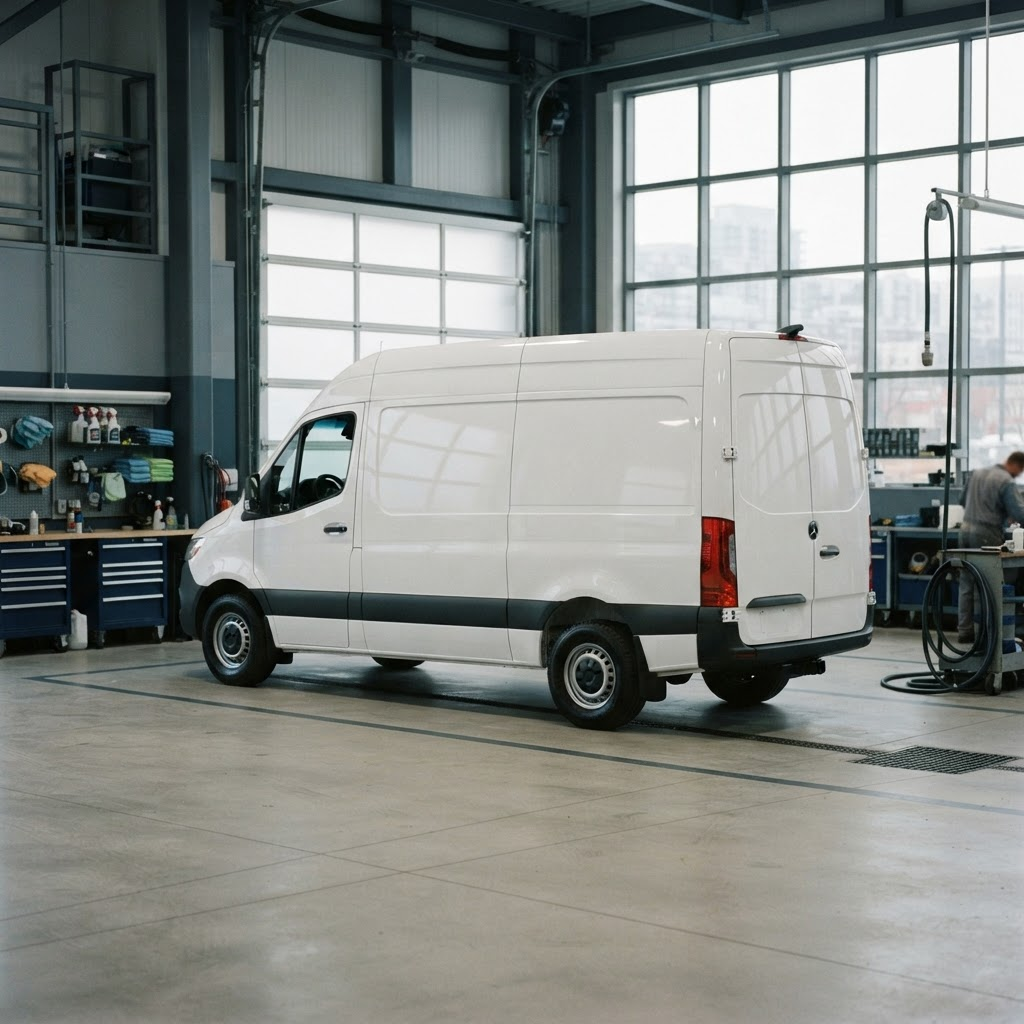
Traditional collision repair exists to fix accident damage. It is structured around insurance claims, structural and safety repairs, parts replacement and refinishing to factory spec. That work is essential — but it is also slow, because the process is built around estimates, approvals, parts ordering and comprehensive repair.
What reconditioning is built for
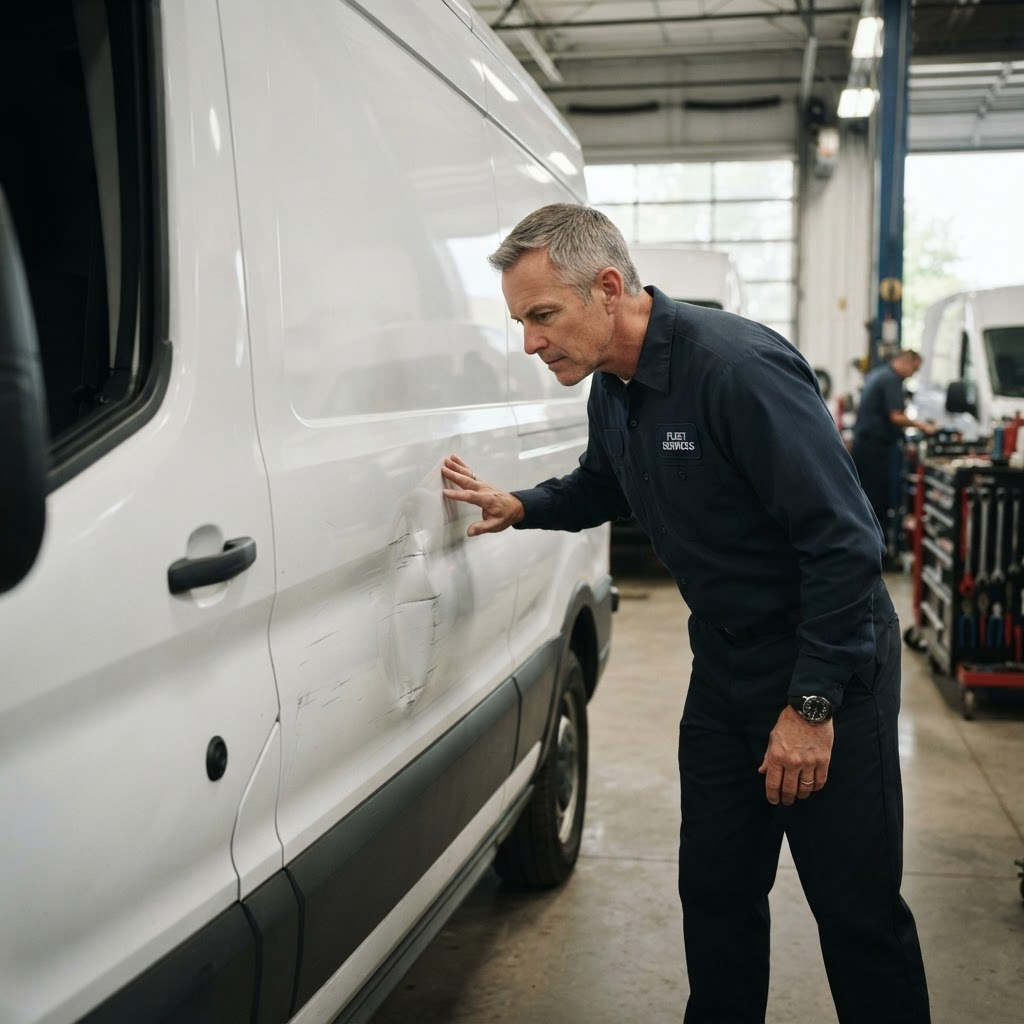
Fleet reconditioning targets the everyday damage that working vehicles accumulate: dents, dings, scuffs, curb rash and general wear. Most of this never involves an insurance claim and doesn’t affect safety — it affects presentation and resale value. Reconditioning is optimized to resolve it quickly and affordably, frequently without repainting entire panels.
| Dimension | Fleet Reconditioning | Collision Repair |
|---|---|---|
| Primary purpose | Cosmetic damage, wear and presentation | Accident and structural damage |
| Typical trigger | Ongoing wear and minor damage | A specific collision event |
| Funding | Operating budget | Insurance claim (usually) |
| Timeline | Days (often on-site) | Weeks |
| Best for | Keeping active fleets presentable | Restoring accident-damaged vehicles |
Why the distinction matters financially
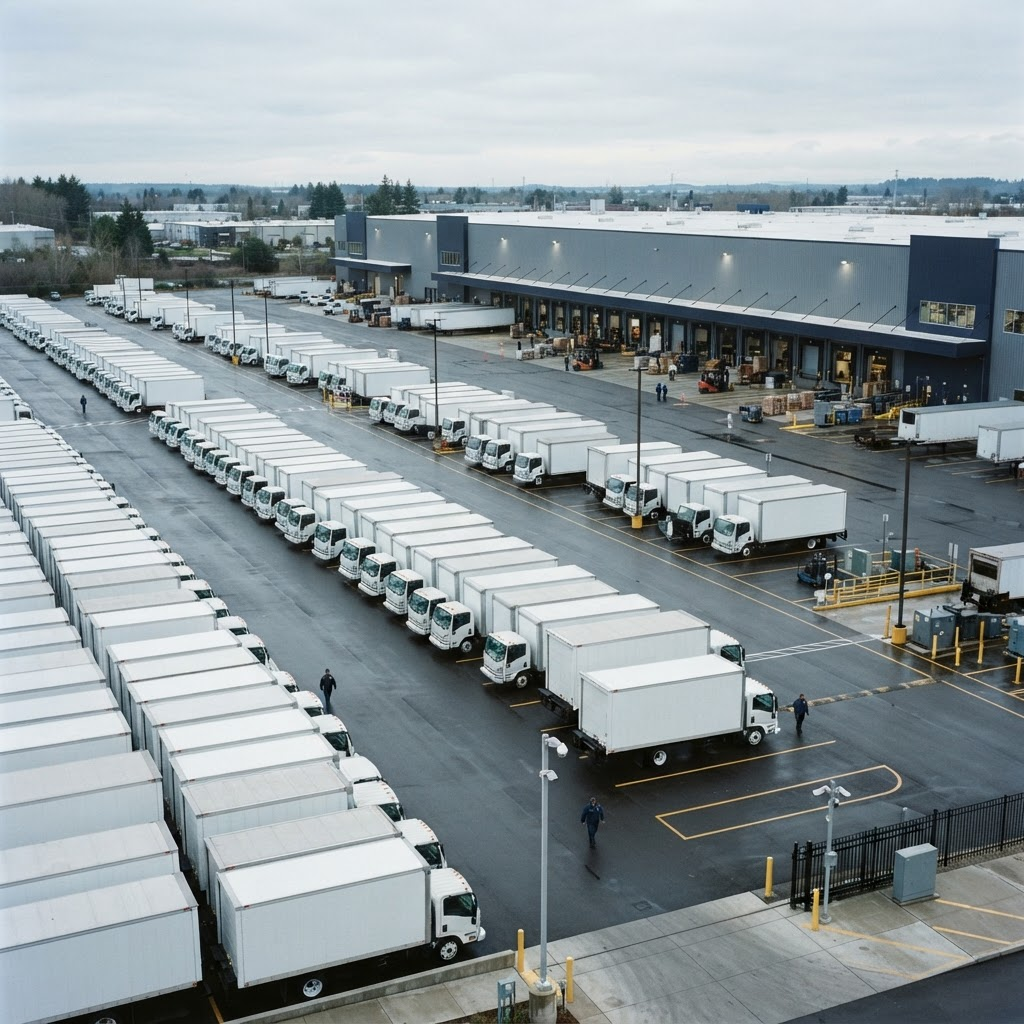
When a minor dent or a scuffed panel is sent to a collision shop, the fleet pays collision-shop prices and collision-shop timelines for a problem that didn’t require either. Multiply that across a large fleet and the waste is significant — both in direct cost and in lost vehicle availability.
A mature program uses both
The goal is not to replace collision repair — it’s to stop using it for work it was never meant to handle. FRS management reports that reconditioning can run 30–50% below traditional body-shop cost for applicable work, with most jobs completed in 24–72 hours. Routing everyday damage to reconditioning frees the collision channel for genuine accident repair and keeps more of the fleet on the road.
Frequently asked questions
- Can reconditioning fix accident damage?
- Reconditioning handles cosmetic and minor collision-related damage that doesn’t affect safety or structure. Genuine structural or safety damage from an accident should go through collision repair.
- Is reconditioning cheaper than a body shop?
- For applicable cosmetic and wear work, yes. FRS management reports reconditioning costs can run 30–50% below traditional body-shop cost, largely because the work is right-sized and often avoids full-panel repainting.
How FRS can help
Fleet Reconditioning Services
The FRS Editorial Team publishes educational guidance on commercial fleet reconditioning, fleet uptime and vehicle lifecycle management, drawing on more than three decades of reconditioning and technician-training experience across the Fleet Reconditioning Services and Ding King organizations.