It’s tempting to think the hard part of scaling fleet reconditioning is winning fleet relationships or opening locations. In reality, the binding constraint is people. Reconditioning is a skilled trade, and a market can only grow as fast as it can develop technicians who deliver consistent, high-quality work.
Reconditioning is a craft — and a teachable one
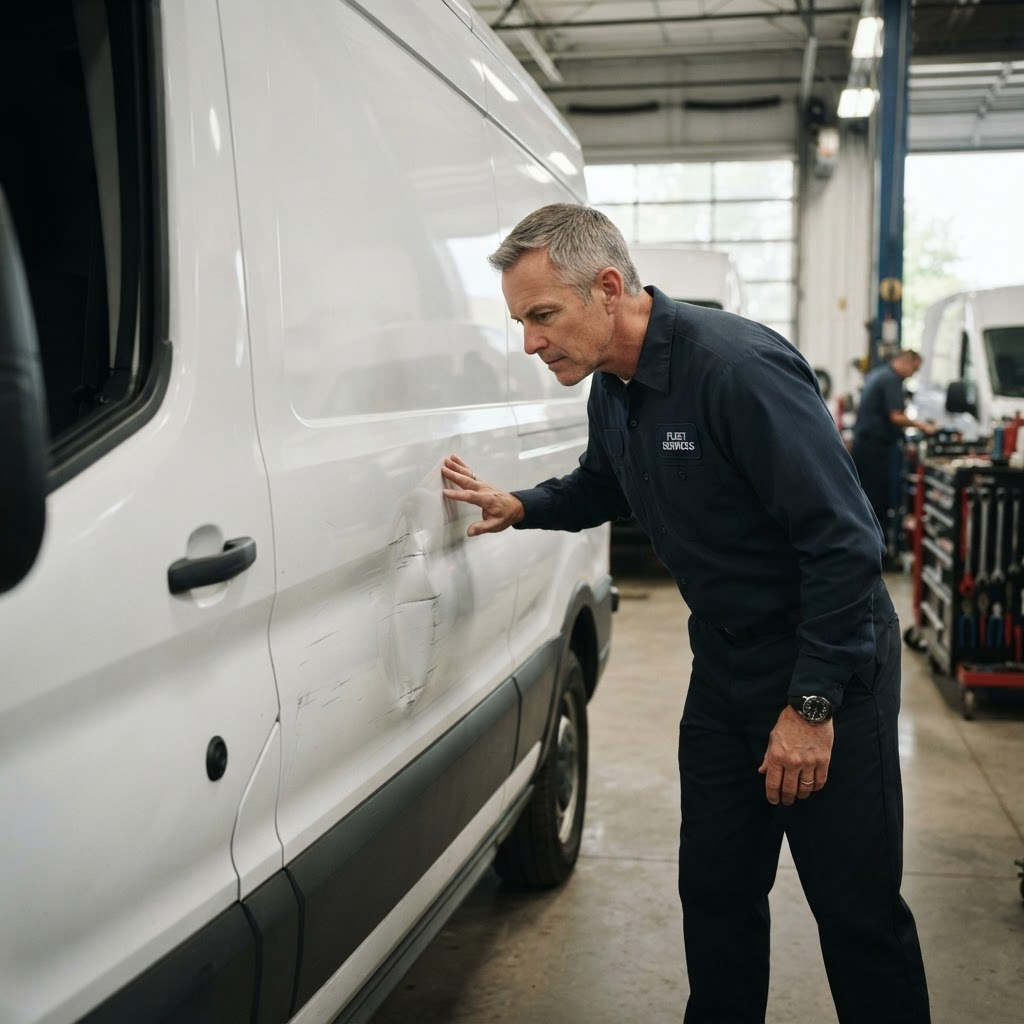
Techniques like paintless dent repair, cosmetic paint work and precise wear reconditioning are genuine skills that take training and practice to master. The upside is that they are teachable. With structured curriculum, hands-on practice and standardized certification, motivated people can be developed into capable reconditioning technicians.
That’s a meaningful advantage for the category: the skill isn’t locked behind years of unstructured apprenticeship. It can be developed deliberately, which is what makes disciplined expansion possible.
Why veterans fit reconditioning work
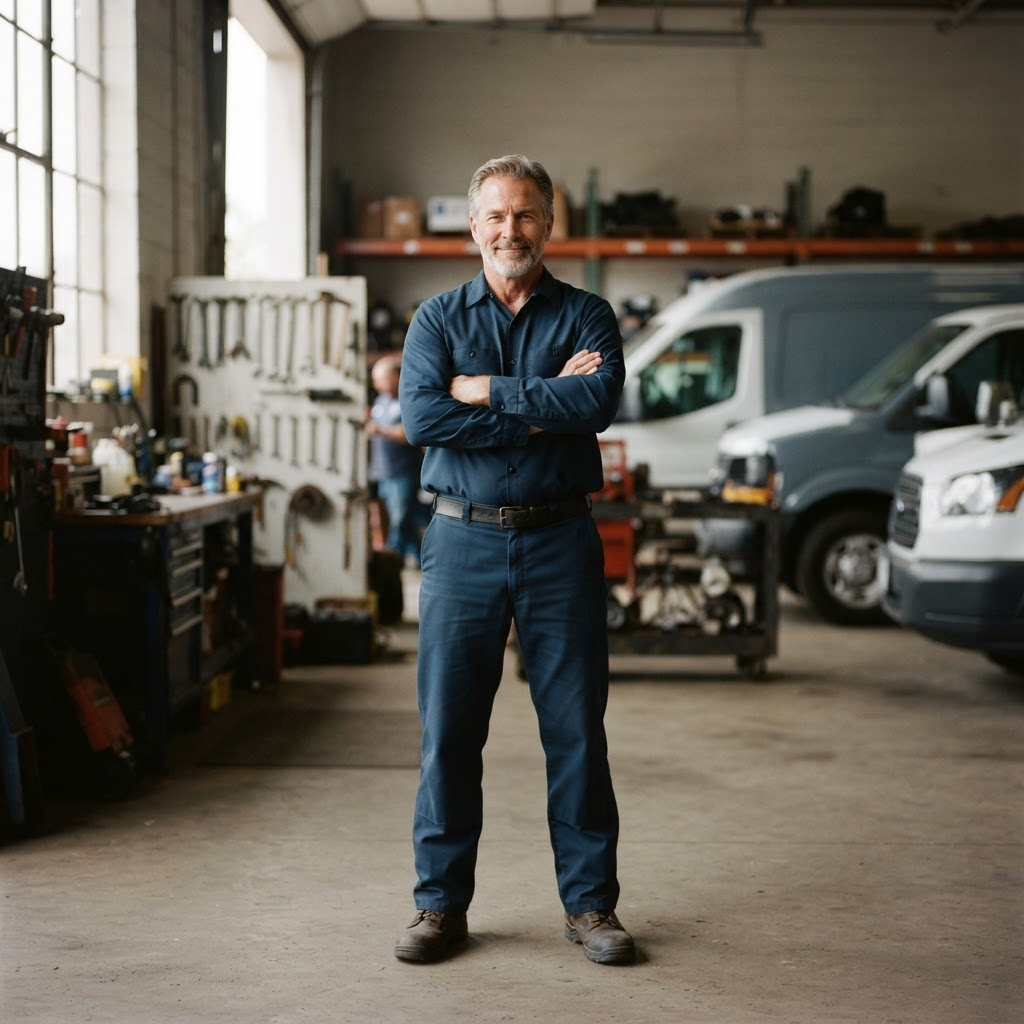
Reconditioning rewards precision, discipline, attention to standards and the ability to follow a process consistently under pressure — qualities that many veterans bring directly from their service. Building a technician pipeline that actively recruits and develops veterans creates a dual benefit: strong technicians for the fleet and meaningful careers for people leaving the military.
The FRS and Ding King approach
Fleet Reconditioning Services draws on the heritage of The Ding King Training Institute, which has spent more than three decades training technicians and helping establish standards across the reconditioning trade. FRS management describes technician development as the true constraint on geographic expansion — and its workforce pipeline, including veteran recruiting, standardized training and certification, as the way it intends to grow market by market without compromising quality.
You can win the contract and open the location, but the work only scales as fast as the people who can do it.
Frequently asked questions
- Do you need a special background to become a reconditioning technician?
- No. Reconditioning skills such as paintless dent repair are teachable trades. With structured training, hands-on practice and certification, people from many backgrounds — including veterans — can develop into skilled technicians.
- Why does FRS focus on hiring veterans?
- Reconditioning rewards precision, discipline and consistent execution — strengths many veterans bring from their service. Veteran hiring builds a strong technician pipeline while creating meaningful post-service careers.
How FRS can help
Fleet Reconditioning Services
The FRS Editorial Team publishes educational guidance on commercial fleet reconditioning, fleet uptime and vehicle lifecycle management, drawing on more than three decades of reconditioning and technician-training experience across the Fleet Reconditioning Services and Ding King organizations.